
Thursday, July 13, 2017

Enjoy a Sun-Safe Louisiana Summer

sunshine
There is so much to love about the South in the summertime, including balmy breezes and sultry nights. However, the scorching southern summer sun can be a dangerous if you are not properly protected from harmful UV rays. Taking the proper precautions is not only important to protect your skin from a nasty sunburn, it could also help prevent skin cancer down the road.
 
  1. Avoid peak hours -  If at all possible, refrain from exposing your skin to direct sunlight during midday hours. This is the time when UV rays are most intense. Also, be aware that sand and water reflect sunlight, so if you’re at the beach you are even more vulnerable to the impact of UV rays.
  2. Cover up - When out in the sun try to keep skin covered by wearing long-sleeves and pants if possible. In addition, wearing a hat can guard your neck and face from prolonged exposure. Finally remember that dark-colored garments offer the best protection.
  3. Use Sunscreen - You should always use sunscreen when you will be exposed to the sun; however, it is beneficial to wear it every day, as UV rays are also present when the sun is not visible. Use a sunscreen with a Sun Protection Factor (SPF) of 15 or higher and read the directions for proper application. It is also important to reapply your sunscreen often, especially if you are swimming or sweating a lot as this will wash it away more quickly. 
  4. Sunglasses - Make certain your sunglasses can block UV rays to help protect your eyes from serious sun damage. Quality sunglasses should have a UV ray absorption rate of 99% to 100%. And, just because the lenses are darker does not mean the the UV protection is higher. UV rays are blocked by a chemical applied to the lenses and not the color of the lens. 
  5. Avoid tanning beds - Tanning beds and sunlamps are not free of UV rays. While they might make your skin more attractive in the short-term, they significantly increase your risk of developing skin cancer in the long-term.

Allstate insurance agent, Melissa Baxter-Penzato is passionate about keeping her clients safe and healthy. She encourages everyone to implement these 5 steps into a daily routine, to significantly decrease the risk of developing skin cancer, while maintaining a healthy lifestyle.


Wednesday, June 21, 2017

What Should You do After a Car Accident?

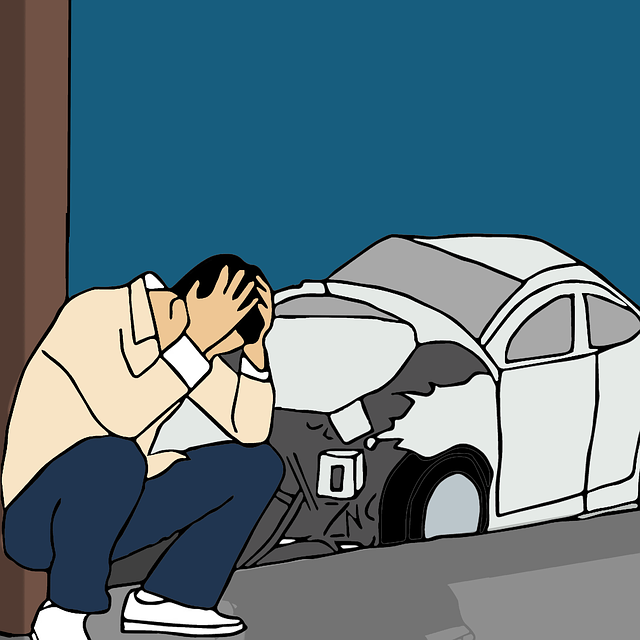
Accidents, while unfortunate, are a fact of life. This is especially true if you drive a car. In most states, you are required to carry some form of automobile insurance if you plan to own a car (and drive it).  While most individuals do not want to file an insurance claim, it is important to know what you need to do if an unexpected accident occurs.

Allstate Car Accident


Immediately after the accident
If you are able, pull your car safely to the shoulder of the road and call 911 for medical services as well as the police. If there are injuries,  wait for emergency services unless there is a life threatening situation. Take careful notes of the details of accident including the conditions of the accident site and surrounding area, names of individuals involved, license numbers, insurance information and the make and model of all vehicles involved.  
When the police arrive, get the name and badge number of the officers on the scene as well as any medical personnel dispatched to the scene. And, if there are witnesses try to get their information as well. It is important to note that the police officers will also obtain this information which will be available in the police report.
 
Call the insurance company
As soon as you are able after the accident, call your insurance company. They will provide you important information regarding how you should proceed with the claim process. Keep a careful record of all expenses incurred as a result of the accident. This should include the police report, repair bills, car rentals, medical expenses, lost wages and even home health care if needed. Be sure to keep copies of all bills for your personal records.
 
Important details that you will need to provide your insurance company include:
  • Your full name 
  • Your policy number
  • The start and end date of your policy
  • Date and time of accident
  • All information you collected at the scene about drivers, passengers, witnesses and vehicles involved
 
Knowing that you do not make accident claims every day, a trustworthy insurance provider should be able to walk you through the entire process and ensure that all details are taken care of.  If you have questions about your car accident claim, contact Allstate Insurance Agent, Melissa Baxter (Zeigler) Penzato.

Tuesday, May 30, 2017

Understanding Life Insurance

5hjaratsf7ewz8b062gwydzpi0q rw9klkorupzdtpevdiiyz2 b5uqqcugym zl2vdiqpkivicjb9wrdbhe 80ehsa64n4apaflstoynjocosyazr su2e9mkriroaxgs95pj6r

Whether you are new to purchasing life insurance, confused by your options, or just not a fan of the topic, a life insurance policy is deserving of consideration in every household, and an absolute must for some. When armed with the proper information, the decision-making process becomes a little easier and you can rest easy knowing you’ve made the right choice for you and your family.
 
Why Life Insurance?
 
The goal of life insurance is to provide a measure of financial security for your family after you die. So, before purchasing a life insurance policy, consider your financial situation and the standard of living you want to maintain for your dependants or survivors. 
 
Types of Life Insurance
 
  • Term: The simplest, least expensive, and the most widely applicable. With term life, a life insurance company bases the policy premium on the probability that the insured will die within a stated term - typically 10, 20, or 30 years. The premiums are guaranteed for the length of the term, after which you can choose to continue coverage, or decide to let it lapse. 
 
  • Universal: A type of flexible permanent life insurance offering the low-cost protection of term life insurance as well as a savings element (like whole life insurance), which is invested to provide a cash value build-up. The death benefit savings component and premiums can be reviewed and altered as a policyholder's circumstances change. Unlike whole life insurance, universal life insurance allows the policyholder to use the interest from his accumulated savings to help pay premiums over time.
 
  • Whole: A contract with premiums that includes insurance and investment components. The insurance component pays a predetermined amount when the insured individual dies. The investment component builds an accumulated cash value the insured individual can borrow against or withdraw. 
 
Cost Associated with Life Insurance 
 
Most people are pleasantly surprised when they see the relatively low premiums of a simple term policy. Of course, a smoker or someone with health problems will likely pay more (or simply be declined for coverage).
 
Talking about life insurance isn’t always a popular discussion because most people don’t like talking about death. But open and honest discussions about planning for an unexpected death can be surprisingly life-giving. And chances are purchasing life insurance is still an important part of your long-term and comprehensive financial plan.
 
If you live in the Covington, Abita, Mandeville, St Tammany or surrounding areas and want to learn more about car, homeowners, and life insurance, visit the  website of Melissa Baxter-Penzato, Allstate Insurance Agent, or call (985) 875-7707. 

Sources:

Tuesday, May 2, 2017

Keeping Safe from the Storm – Hurricane Preparedness

Twlgdpk9em09wo7logdbmnchjgrkfi 9op8ijtfmmbde3ienjtro9ime47ins t itxzyygsro2k pbyddhtddcx503r4mcam2jp9ivrbceqzzoi7lyqp7ch4rummtivf6morckb


Summer and fall are prime months for stormy weather in the south. In addition to being rainy, the six-month hurricane season runs from June until November. Having an appropriate plan in case of severe weather is very important when you live in tropical areas such as Houston, Florida and the Gulf Coast States of Mississippi, Alabama and Louisiana.
 
  • Secure your roof – Use hurricane straps or clips to strap down your roof. These fasten to the frame of the roof to help reduce damage from high winds.
  • Bolt exterior doors – By installing head and foot bolts to all doors that enter your home, you will provide additional stability and protection from the damaging winds that typically accompany hurricanes and tropical storms.
  • Create shutters for your windows – Custom-made storm shutters can be purchased to fit each of your home’s windows, patio door or other expanses of glass. Additionally, a skilled individual can also build them using exterior or marine grade plywood.  
  • Fill in the gaps – Examine your windows, doors, and siding for gaps and cracks in the caulking. Fill these with new caulk promptly. This will help to keep driving rain from penetrating the area causing excess moisture to build up.
  • Secure all exterior structures – Carports, porches, canopies and outbuildings such as sheds and pool houses can sustain severe damage from wind and rain. Make sure these buildings and additions are firmly secured.  
  • Test pumps and drains – In addition to high winds, tropical storms and hurricanes also produce a great deal of rain. Be sure your sump pump and drains are working properly to help alleviate any standing water in your home. If you fear an electrical outage, consider purchasing a backup generator. 
  • Trim the shrubs – Branches and limbs can create a lot of damage during a hurricane. Keep landscaping trimmed and remove dead or overgrown branches.
  • Know your insurance coverage – Determine if you need any additional coverage on your existing insurance policy to cover flooding or wind damage. And, take careful inventory of the belongings in your home and store in a safe place so you can refer back to it if you suffer any property loss.
 
Allstate Insurance Agent, Melissa Baxter-Penzato, has the coverage you need to protect your home from natural disasters such as hurricanes. Contact her today at 985-875-7707 for information on this type of home insurance coverage.

Tuesday, March 21, 2017

Knowing Your Rights as a Renter

Finding the apartment of your dreams can be both exciting and scary. This is especially true if it is the first time you have lived on your own or rented an apartment. While your landlord owns the property you are renting, it is important to remember that you also have certain rights as a renter. These rights are typically spelled out in both state and local statutes and vary from place to place.

7vhoujhyyhepxz tm3odqs36bg93rbihlfxjcrz09mi h7zwvmlijsrwvuywqhcxt0gzrbb4wythfufv6mk2wk8p2iq azkqmy6wz5w2yu2fpoyb cn5vorkmkd5vkpneqjrv9su
  • Rent amount – Rent control is not always a factor in every municipality, but it is common in many lower income neighborhoods. This statute limits the amount that your landlord can charge based on the property values and other factors in the area.
  • Property condition – Rental property should be maintained to a certain standard of living and be habitable. At the very minimum, this means it must be pest free and have functional plumbing, electricity and heat.
  • Access – Once a tenant moves into a property, the landlord is required to give advanced notice before they enter the property unless it is an emergency situation such as flooding or a fire.
  • Eviction – If a tenant does not follow the rental agreement, the landlord has the right to evict them from the property. The conditions that might warrant an eviction could include failure to pay rent, having animals in the property, unauthorized individuals living in the property or other items as spelled out in the agreement.  
  • Discrimination – Housing discrimination based on race, color, national origin, religion, sex, status or disability are illegal under federal laws. Rental discrimination is enforced by the United States Department of Housing and Urban Development.
  • Disclosure – Depending upon the local ordinances, the landlord may be required to disclose information about past rental circumstances such as if a death occurred in the property.
  • Liability – Local laws address who is liable in the event of an accident on the property. However, in most cases the landlord’s insurance will only cover the dwelling and not the renter’s items. Because of this, it is important for renters to look into rental insurance to cover their belongings in case of fire, flood or another disaster.
 If you are considering renting, contact Allstate insurance agent, Melissa Ziegler-Penzato to discuss your options with regards to rental insurance. She can help you decide the amount of coverage you will need for adequate protection of all your valued belongings.

Thursday, February 16, 2017

Five Common Types of Insurance: What Should You Cover and Why

You work hard for the things you own. Making sure they are protected should be a top priority. When the unexpected happens, having appropriate insurance coverage can offer you peace-of-mind to get you through the storms of life. Allstate Insurance agent, Melissa Ziegler-Penzato, provides her customers a full line of insurance products to help them protect the things they hold so dear.

insurance.jpg

Auto and Motorcycle – Insuring a motor vehicle is not just good idea; it is required by law. Whether you are insuring a brand new car or a new-to-you vehicle, Melissa can help you determine the right amount of coverage for your driving needs.

Home and Condo – Your home is your castle, the place in which you feel most comfortable. Faulty wiring, severe weather, home appliances, and even the things you store in your garage could result in an unforeseen disaster. Protecting your home or condo with adequate insurance coverage cannot bring back things that are lost, but it can help you to replace them with and start to rebuild your life.

Rental property – If you are renting a home or apartment, your belongings are not covered if a disaster occurs. Renters insurance helps to protect your personal items if your rental property suffers a fire or other catastrophic event.

Business – Given today’s competitive business environment, organizations are always at risk.  Business insurance protects businesses of all sizes from a variety of losses including cataclysmic property damage as well as liability issues and employee risks.  Having the proper insurance to cover your business if an unforeseen incident occurs is as important as doing the best possible job for your customers and clients.

Life - Life insurance is an agreement between the insured and an insurance company in which the insurance company pays a specific sum of money to the insured’s beneficiaries upon their death. In return the insured pays the insurance company a premium.  Disabilities and other physical limitations which might impair their ability to make an income might also be covered depending upon the terms of the life insurance policy.

Determining the right insurance policy and coverage for your specific needs can be overwhelming. Contacting a professional such as Allstate Agent, Melissa Ziegler-Penzato, is an important first step in determine the right insurance products for you and your family.

Monday, January 16, 2017

Top 10 New Year's Resolutions for Families

Top Ten New Year's Resolutions for Families
2017 is here and we’re gearing up for an exciting, fresh year of new goals and possibilities. The beginning of the year is the perfect time to take stock of which areas in our life need more focus and attention. Although we often hear about New Year’s resolutions as personal goals, why expand those goals to the whole family? Here are some New Year’s goals with the whole household in mind.

1.     Schedule checkups for the whole family. Due to our busy lives, many of us only think of going to the doctor or dentist when we’re sick. However, regular preventive care is  important for staying healthy.
2.     Build up your emergency fund. Bankrate reports that over 1 in 4 Americans don’t have enough in savings to cover even a routine emergency, such as an unexpected medical bill or car repair.
3.     Build up your buffer. According to the same study, roughly half of Americans don’t have enough in savings to cover 3 months of expenses. Building a buffer fund is just as important as saving for retirement, and won’t take nearly as long!
4.     Sign up for, or reevaluate, your life insurance plan. If you have a family, life insurance provides peace of mind for you and helps your dependents adjust to the loss of income if a breadwinner dies. Life insurance proceeds may help your surviving spouse pay off your mortgage, pay for childcare, alleviate debts, cover funeral expenses and/or ensure your children are able to attend college. It’s a good idea to periodically revisit your policy to see whether or not it still meets your income and lifestyle needs. For more on how life insurance works, see here.
5.     Resolve never to text and drive. Make the whole family take the pledge, and put it in writing!
6.     Volunteer together. We all wish we had more time to give back. Volunteering as a family creates cherished memories, and teaches children the value of service.
7.     Eat more fruits and veggies. If the whole family is in on healthier eating, your own nutrition goals will be much easier to achieve.
8.     Unplug. Set aside family time each week where everyone is unplugged from screen time and spending face time together.
9.     Listen more. Communication is imperative to healthy familial relationships. Commit to listening to each.
10.  Discuss your personal 2017 goals together. Encourage children to come up with their own resolutions (mastering a two-wheeler, reading more books, recycling), and support each other throughout the year!

We at Melissa Ziegler-Penzato’s Covington, Louisiana office wish you and your family a safe and prosperous 2017!

If you are interested in receiving a life insurance quote or financial advice from Melissa Ziegler-Penzato, an Allstate Personal Financial Representative with a reputation for high ethical standards and excellent customer satisfaction, please visit her webpage, or call (985) 875-7707 for more information.